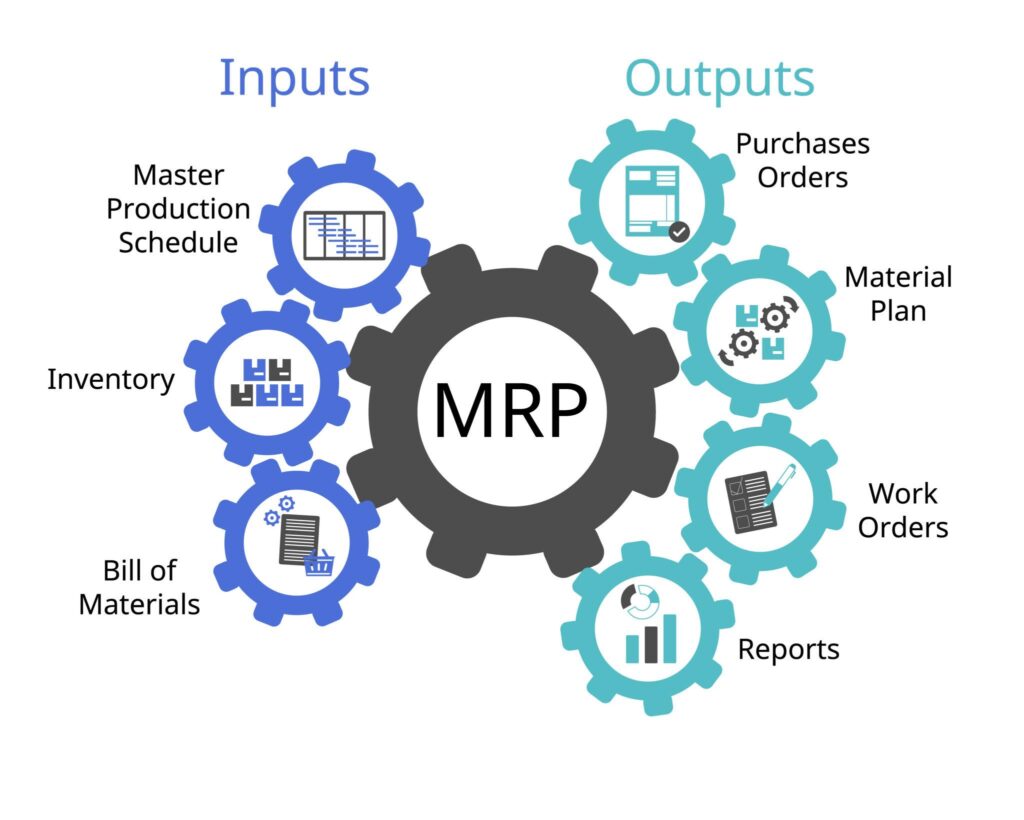
Implementing ERP/MRP: the most common problems
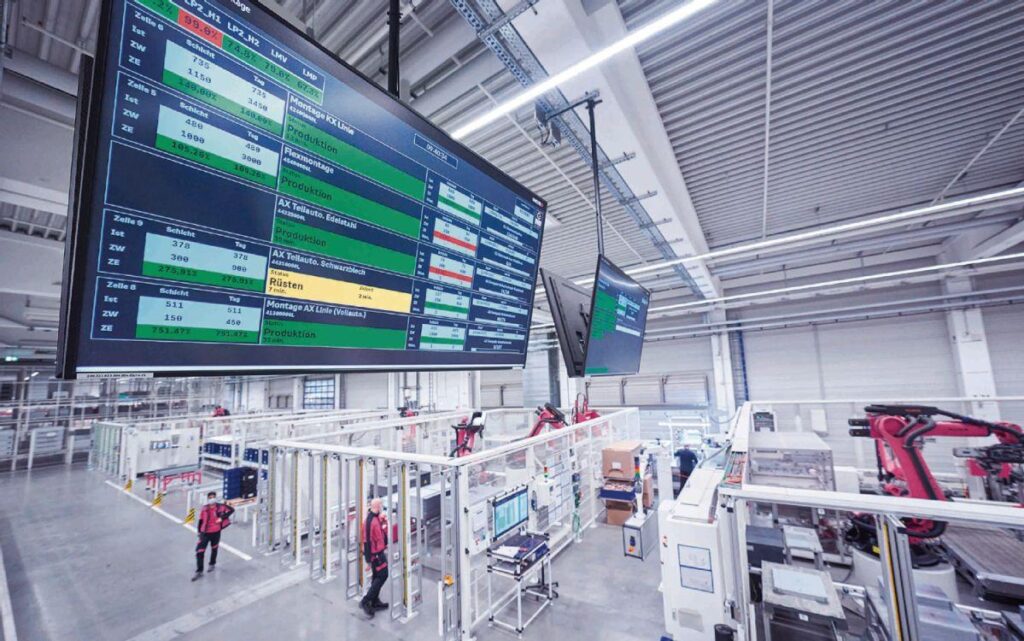
Many organisations introduce ERP or MRP systems to gain better control of production, purchasing, warehousing, planning and finance. Expectations are often high, but many projects fail to deliver the results management had hoped for.
The problem is usually how well the organisation prepares, the quality of its data and how closely people are involved in the change.
An ERP or MRP system cannot fix poor processes on its own. Without clear responsibilities, standardised processes and reliable data, the same problems simply move into the new system.
1. Unclear processes before the project starts
One of the biggest mistakes is starting implementation without a clear understanding of existing processes.
Different departments often work in different ways:
- different planning methods
- different names for the same materials
- different versions of the data
- inconsistent documents
- unclear responsibilities
Moving these processes into an ERP system without standardising them first simply digitises the existing confusion.
2. Poor or incomplete data
An ERP system is only as reliable as the data it uses.
Common problems include:
- incorrect item codes
- inconsistent bills of materials (BOMs)
- inaccurate production times
- incorrect stock records
- inconsistent units of measure
- duplicate items and materials
If the master data is unreliable, production and purchasing plans soon become unreliable too.
3. Too little involvement from production
ERP projects are often led by IT or senior management, with too little involvement from the people working in production.
Operators, supervisors and planners use the processes that ERP is meant to support every day. They know the practical problems better than anyone.
When production is left out:
- processes become impractical
- resistance to the system grows
- users find workarounds
- only part of the system is used
4. Expecting software to solve organisational problems
ERP is a tool. It cannot compensate for poor organisation.
If the organisation lacks:
- disciplined data entry
- standard ways of working
- clear responsibilities
- defined KPIs
- stable processes
even the best ERP system will struggle to deliver the expected results.
5. Too many changes at once
During implementation, organisations often try to:
- introduce a new ERP system
- reorganise production
- change processes
- launch new products
- change the organisational structure
all at the same time.
This puts excessive pressure on employees and increases the risk of problems during implementation.
6. Insufficient user training
Users often receive basic training in how to operate the system, without understanding:
- why particular data needs to be entered
- how that information affects other departments
- how the system supports planning and decisions
Without that wider understanding, ERP becomes another administrative burden.

What makes an ERP/MRP project more successful?
Organisations that implement ERP successfully usually have:
- clearly defined processes
- well-prepared data
- management support
- involvement from production and key users
- a realistic implementation plan
- a phased approach to the project
- employee training
- ongoing KPI monitoring
A project team that coordinates production, logistics, engineering, purchasing, finance and IT is also essential.
Conclusion
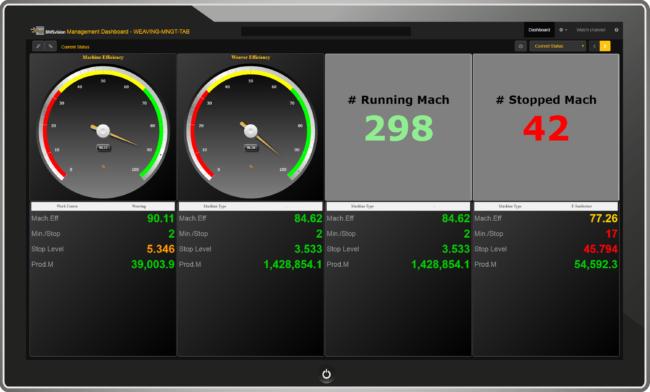
Implementing ERP/MRP is an organisational change that affects the whole company. It involves far more than IT.
A successful project needs:
- thorough preparation
- standardised processes
- clear communication
- employee involvement
- disciplined data management
When ERP implementation is managed systematically and grounded in how work is actually done, the organisation gains better process control, more reliable planning and a more stable production management system.